Community
What we do together.
Four areas of work, all carried by volunteers from within the community.
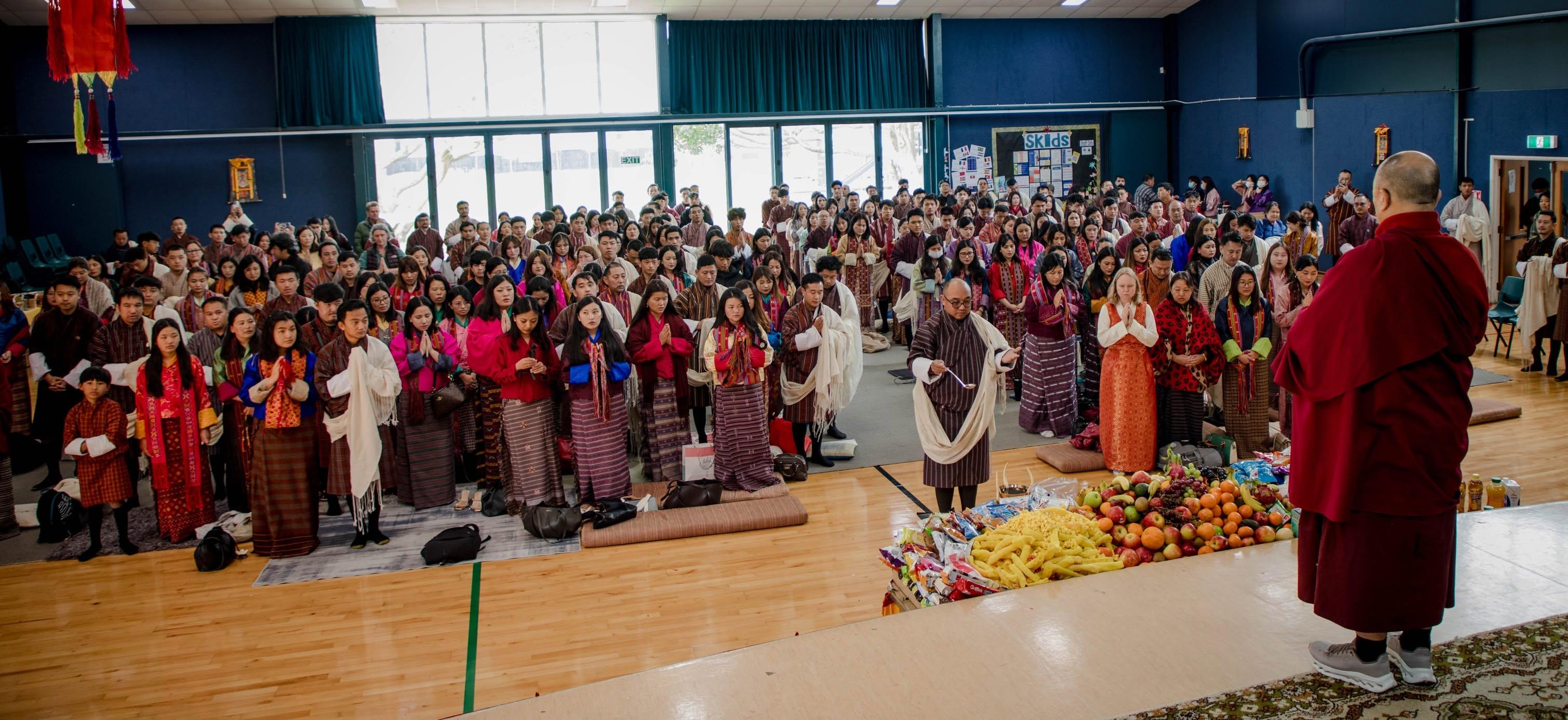
Culture & Celebration
Keeping our language, dress, festivals and values alive for the next generation born here.
- Losar and Tshechu gatherings, national day observances, and family celebrations.
- Dzongkha, song and dance for children growing up in New Zealand.
- Sharing Bhutanese culture with neighbours, schools and councils.
Welfare & Support
Standing beside members through illness, bereavement, hardship and the unexpected.
- Practical and emotional support when a family faces loss or crisis.
- Help finding the right service — health, legal, housing or financial.
- A quiet, confidential first call for anyone who is struggling.
Students & Newcomers
Settlement help and mentoring for students, workers and families arriving in New Zealand.
- A welcome contact for new arrivals in their first weeks.
- Mentoring from people who have already studied and worked here.
- A practical settlement guide, kept up to date by the community.
Community Voice
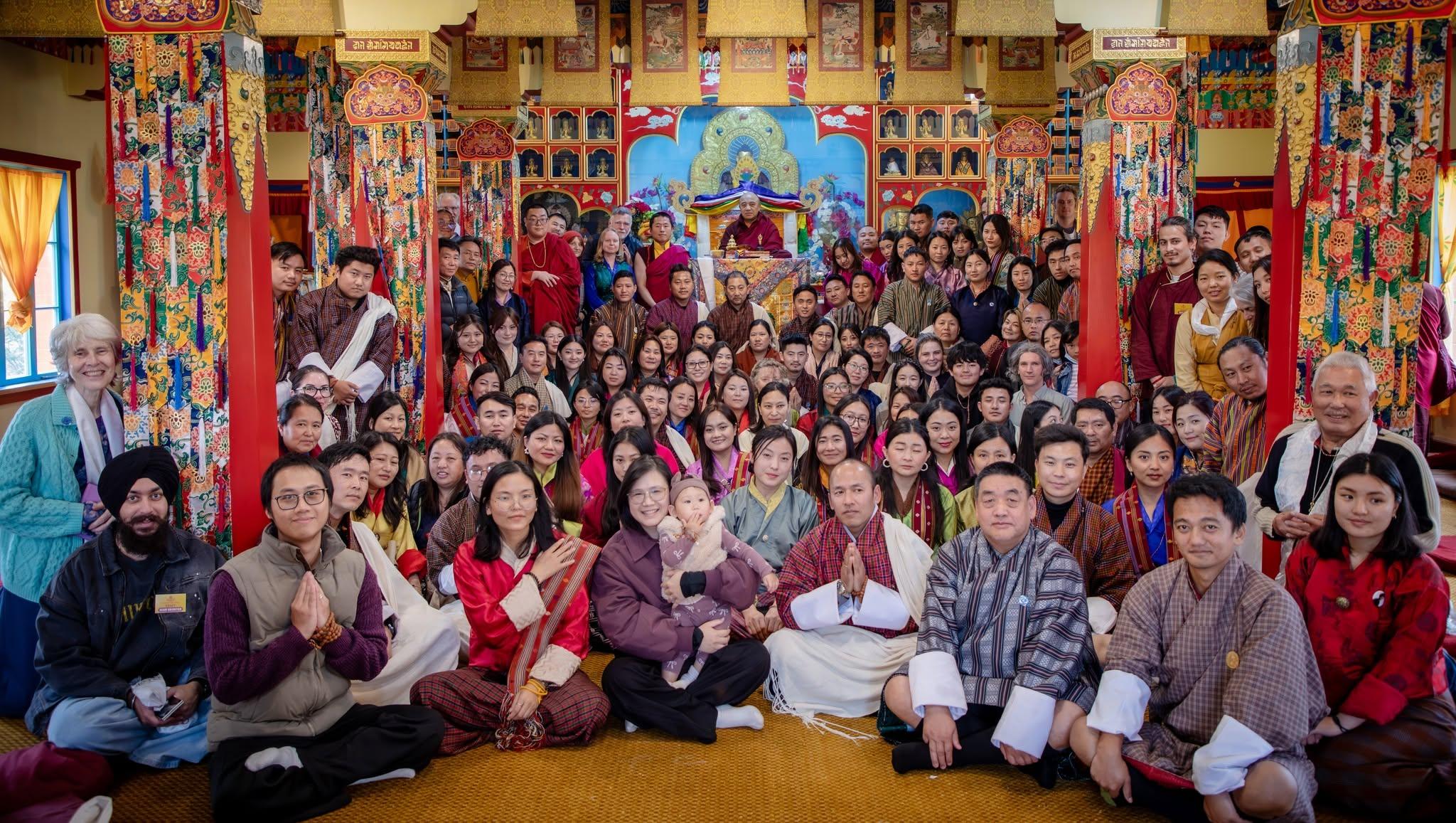
One democratic, inclusive platform for Bhutanese people across the country.
- Open membership and elected officers, accountable to members.
- Representing the community to councils, agencies and funders.
- Working alongside other cultural communities in Aotearoa.
Glossary
Dzongkha words you will meet on this site and at our gatherings.
- Losarལོ་གསར་
- The new year, celebrated with family, food and archery.
- Tshechuཚེས་བཅུ་
- A religious festival held on the tenth day of the lunar month, known for masked dances.
- ghoབགོ་
- The knee-length robe worn by men, tied at the waist with a belt.
- kiraདཀྱི་ར་
- The ankle-length dress worn by women, fastened at the shoulders.
- kabneyབཀབ་ནེ་
- The ceremonial scarf worn by men with the gho on formal occasions.
- khadarཁ་དར་
- A white ceremonial scarf offered as a mark of respect, welcome or congratulation.
- driglam namzhaསྒྲིག་ལམ་རྣམ་གཞག་
- The traditional code of etiquette and conduct: dress, manners and respect.